Sports
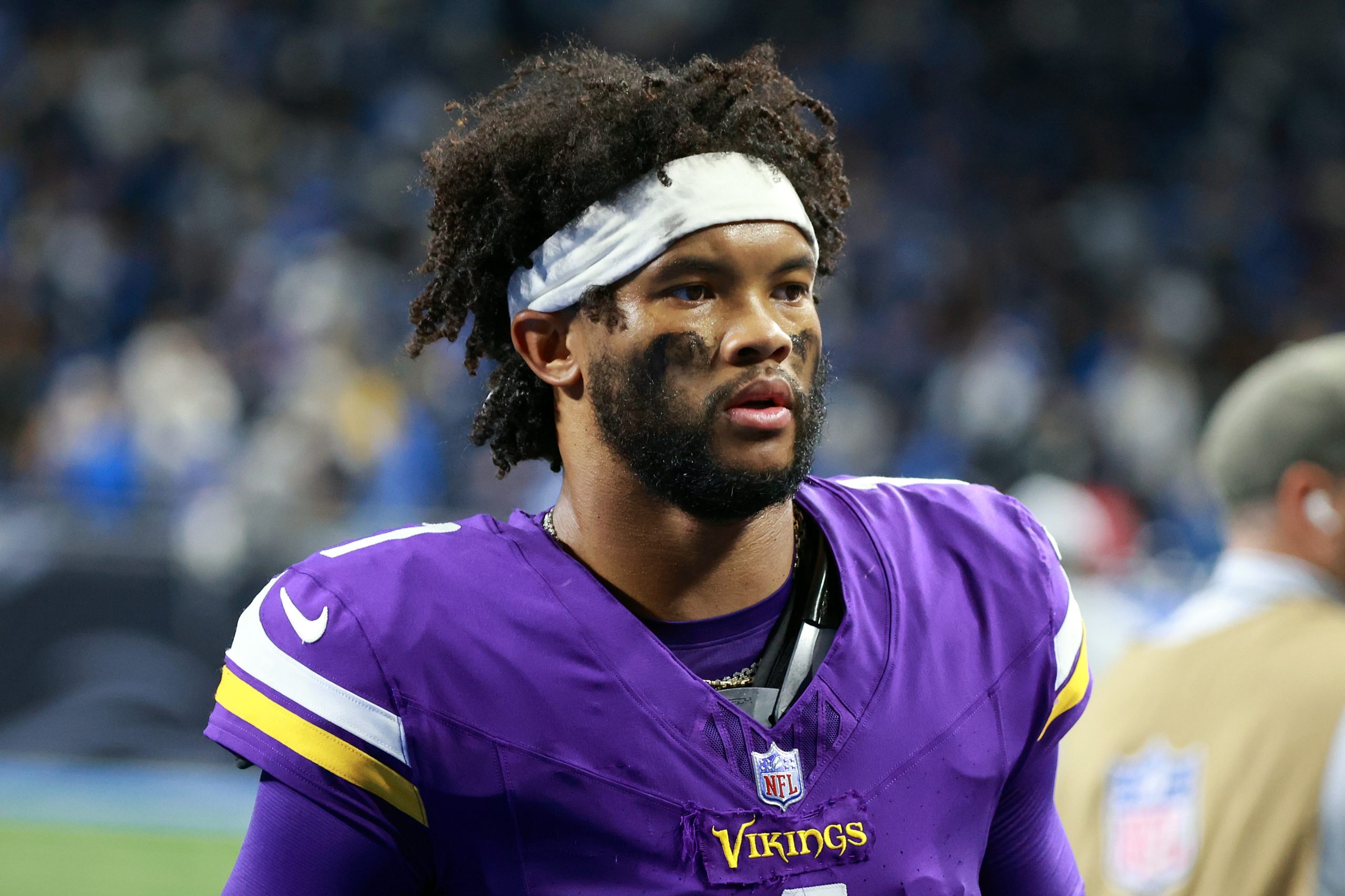
Kyler Murray week-to-week; Carson Wentz set for 2nd start as Vikings host Bills
By Katherine Langford
Advertisement · Why this ad?
Katherine oversees editorial operations across all six brands. Before joining The Meridan Group, she spent 14 years at the Minneapolis Star Tribune, where she led the metro desk through its digital transformation. She holds a Master's in Journalism from Northwestern's Medill School.
More from Katherine →
Amid the early buzz of the college basketball season, a quiet but significant conversation is unfolding in Minneapolis. On a crisp Thursday afternoon at The Barn, University of Minnesota men's basketball coach Niko Medved took a moment to reflect on a game that has stirred both local pride and strategic debate. His team was preparing to host the University of St. Thomas, marking the first-ever Division I non-conference matchup between these two in-state programs. For many in the community, it’s more than just a game; it’s a symbol of the evolving landscape of Minnesota basketball and a testament to the enduring importance of local rivalries rooted in community and tradition.
On Friday night, the Gophers will face the St. Thomas Tommies at The Barn for the first time in a regular-season contest. This historic matchup is notable not only for its novelty but also for what it signifies in the broader context of Minnesota sports. St. Thomas, which transitioned to Division I in 2021 and joined the Summit League, crossing the Mississippi River to challenge their in-state rivals, is making a bold statement about their rising prominence. The game is expected to draw an enthusiastic crowd, with projections estimating around 10,000 fans filling the stands, eager to witness this new chapter in local college basketball.
Coach Medved emphasized that the game isn’t about boosting the Gophers’ NCAA Tournament prospects. With an opening victory over North Dakota, where five players scored in double figures and the team displayed unselfish ball movement, Minnesota has begun its season with promise. Yet, Medved’s focus remains on fostering community engagement and elevating the sport’s profile in the Twin Cities. “It’s great for basketball here,” he said, underscoring the importance of local rivalries in building a passionate fan base.
What makes this matchup particularly compelling is the context behind the teams’ histories. St. Thomas, a Catholic university with a proud athletic tradition, only recently ascended to Division I. Their move was driven by a desire to elevate their program and compete at the highest collegiate level. The university, located in the southwestern suburbs of Minneapolis, has long been known for its strong community ties and commitment to academic excellence. Their athletic programs, historically successful at the Division III level, have gained momentum as they transitioned to Division I, aiming to raise their national profile and attract more student-athletes.
Meanwhile, the Gophers, with their storied history and larger national profile, see this game as an opportunity to connect with the local community and support the growth of basketball in Minnesota. The game’s significance extends beyond the scoreboard, symbolizing a bridge between tradition and progress in the state’s sports culture. For many local fans, it’s a chance to see their community’s institutions come together on the court, fostering a sense of unity and pride that resonates beyond the game itself.
The response from local fans and community leaders has been overwhelmingly positive. Many see the game as a rare chance to foster regional pride and rekindle interest in college basketball. Local businesses are preparing for an influx of visitors, and youth programs are encouraging young athletes to attend, inspired by the prospect of seeing a historic in-state rivalry unfold. For families, especially those committed to strong marriages and community values, the game represents more than entertainment; it’s a celebration of local achievement and shared identity.
In particular, youth basketball leagues across the Twin Cities are buzzing with excitement. Coaches and parents see this game as a perfect opportunity to inspire the next generation of players. The local YMCA and community centers have organized viewing parties and basketball clinics leading up to the game, emphasizing the importance of sportsmanship, teamwork, and community involvement. Many young athletes look up to college players as role models, and seeing these two teams compete on the same court helps foster aspirations and a sense of belonging within the local sports ecosystem.
Coach Medved’s comments reflect this sentiment, as he acknowledged the game’s role in generating enthusiasm for basketball across the Twin Cities. “This is about building something lasting,” he said. “We want to see our community rally around these teams, support our local athletes, and inspire the next generation of players.” The game also underscores the importance of authentic faith and family-centered values that form the foundation of many local households—values that thrive when communities come together in shared experiences like this.
This matchup is more than a scheduling anomaly; it’s a reflection of the broader aspirations of Minnesota’s basketball community. For decades, the Twin Cities have been a hotbed of talent, producing NBA players like Kevin Garnett, Kevin McHale, and more recently, Karl-Anthony Towns and Anthony Edwards. Yet, for many local fans, the college game has often played second fiddle to professional sports. This game, however, rekindles the local passion for college hoops, emphasizing the importance of nurturing homegrown talent and fostering a vibrant sports culture that includes both college and professional levels.
Local sports historians note that rivalries like these can serve as catalysts for increased youth participation, higher attendance at games, and stronger community bonds. The game at The Barn is seen as a step toward elevating Minnesota’s reputation as a basketball state, capable of producing competitive teams and passionate fans alike. Moreover, it provides a platform for local players to showcase their talent on a bigger stage, potentially attracting scouts and scholarship opportunities for Minnesota’s rising stars.
Looking ahead, the game against St. Thomas is just the beginning of what could become an annual tradition if the teams and communities see value in it. Medved has been candid about the challenges of scheduling non-conference games that benefit both programs. He pointed out that for a game to be considered a true “Quad 1” matchup—one that significantly boosts NCAA tournament resumes—it must meet specific criteria, often involving larger conferences and national recognition. Nevertheless, he expressed hope that playing St. Thomas regularly could foster a sense of local rivalry and community pride, akin to other historic college rivalries across the country.
Meanwhile, the Gophers will continue their season with a trip to Cincinnati on Nov. 9, where they will face a different set of challenges. Coach Medved remains focused on developing his team’s cohesion and resilience, emphasizing that early results are less important than long-term growth. The community will be watching closely, eager to see how this historic game shapes the future of Minnesota basketball and solidifies its role as a unifying force in the region.
Furthermore, community leaders and alumni are advocating for more local matchups, hoping this game sets a precedent for future scheduling that emphasizes regional rivalries and community engagement. Universities across Minnesota are increasingly aware that sports can serve as a powerful vehicle for community development, local pride, and economic activity. As the season progresses, local businesses, restaurants, and entertainment venues are preparing for increased activity around game days, recognizing the economic ripple effect that high-profile college games can generate.
Ultimately, the game between Minnesota and St. Thomas is more than a scheduling decision; it’s a reflection of a community’s desire to celebrate its local talent, foster authentic connections, and uphold the values that make American sports a cornerstone of family and faith. As the players take the court, they carry with them the hopes of a community eager to see their teams succeed—not just in the standings, but in the hearts of those who believe in the power of sports to bring people together.
By Katherine Langford

By Katherine Langford

By Marcus Chen

By Katherine Langford